What Is a Spider Lift?
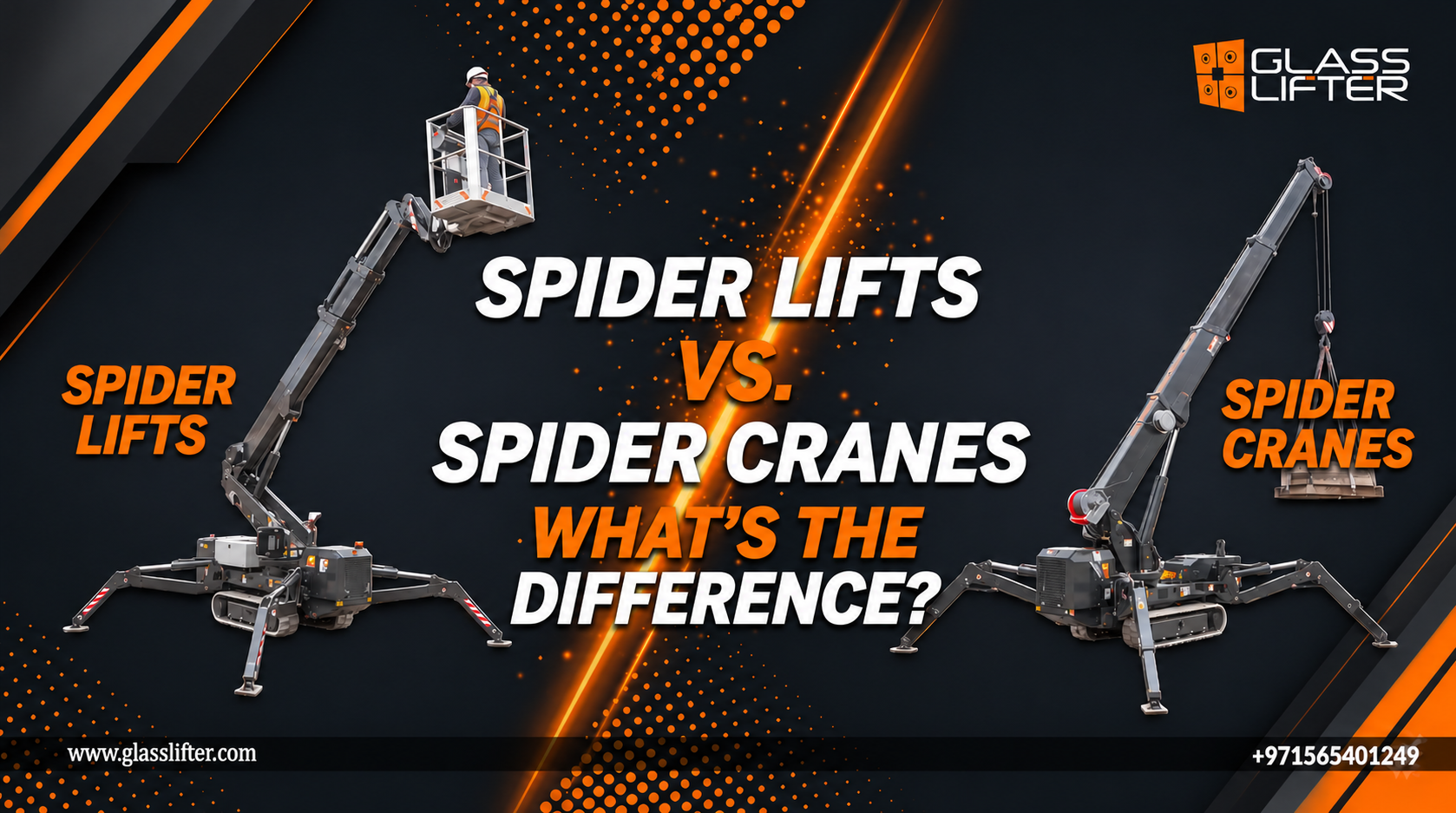
A spider lift is an elevated work platform that raises the operators and tools to the areas. Depending on the model, its boom can be extended upwards to reach different parts of the building. For instance, during glazing work, installers can use a spider lift to get access to window frames, adjust the installed panels, or apply the sealant.
The general characteristics include:
- Compact design: useful in narrow spaces and workspaces where access is restricted.
- Extendable boom: it raises the workers to the required access points.
- Work platform: The platform or basket that carries the personnel and the tools.
- Extendable legs: These are the legs that extend outward onto the ground and keep the lift stable while the platform is being raised.
What Is a Spider Crane?
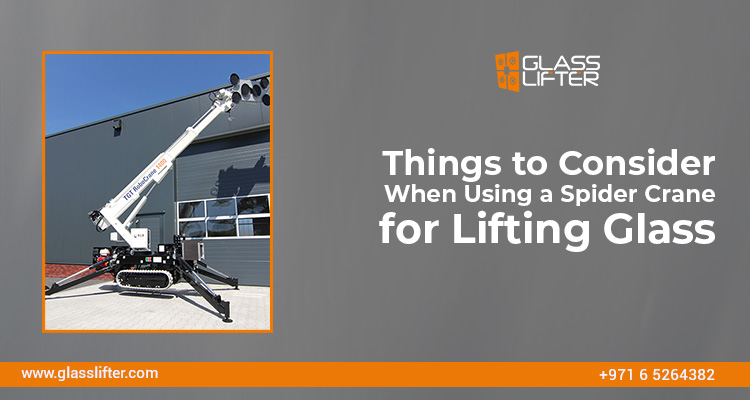
The spider crane, on the other hand, is a compact lifting machine used to lift and move heavy glass panels. Similar to the spider lift, it too has extendable legs, ensuring stability during lifting operations. They are used for glass installation, machinery positioning, HVAC equipment placement, steel components and other lifting operations in confined workspaces.
The general characteristics include:
- Compact design: They can easily access confined workspaces where conventional cranes may not fit.
- Extendable legs: The legs spread outward onto the ground, providing stability during the lifting operation.
- Lifting capability: Designed to lift heavy materials, glass panels and other construction materials.
- Flexible positioning: They can lift materials over obstacles like walls, pillars, or barriers and into areas that are difficult to reach.
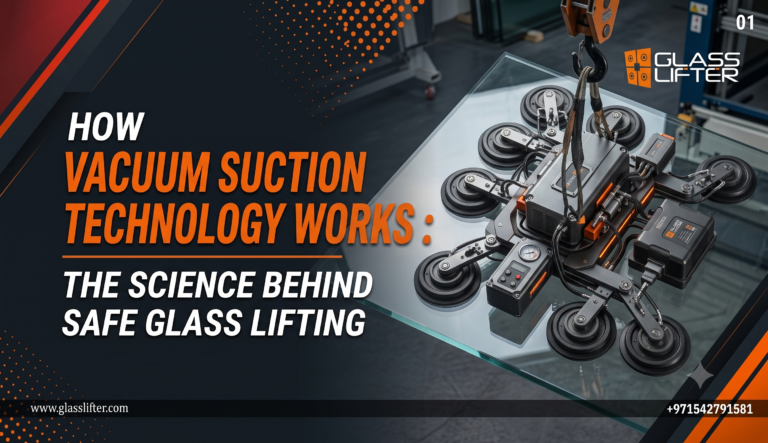
- Versatile lifting attachments: Can use slings, hooks, or other special attachments such as vacuum glass manipulators along with them for specific tasks.
- Precise load positioning: Ensures precise placement of materials during tasks such as glass facade installation.
Spider Lift vs. Cranes: What’s the Difference?
Well now you know that, though they look quite similar with the compact design and extendable legs, they both serve entirely different purposes.
| Feature | Spider Lift | Spider Crane |
|---|---|---|
| Purpose | Raises operators up to the working areas. | Lifts and moves materials and glass panels |
| Working equipment | Elevated work platform or basket. | Boom and the lifting attachment. |
| Personnel transport | Yes, within the rated capacity of the platform | Used to lift materials, not people. |
| Material handling | They do not lift glass; they carry workers. | Designed to lift glass using suitable lifting equipment. |
| Common applications | Installation access, facade maintenance, inspections | Material placement, glass lifting and other construction work. |
| Best suited for | Projects that require safe access to height | Projects that require controlled lifting and positioning of heavy materials |
Can You Use Both Machines for Glass Installation?
The answer is yes, you absolutely can use both machines, but remember that they perform different tasks.
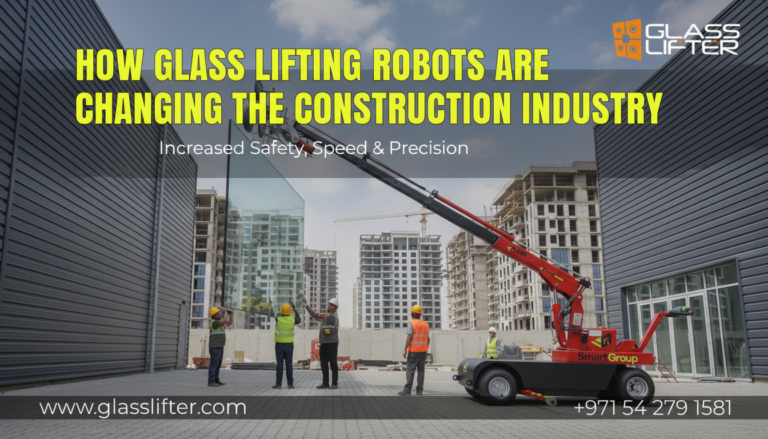
Take a glass facade installation as an example. A spider crane equipped with a suitable vacuum glass lifter can lift and precisely position the glass panel, while the spider lift can raise the workers to the installation point to guide the process and complete the installation process.
That being said, you don’t need both the machines for every project. The right choice often depends on the requirement whether it is reaching an elevated work area or lifting the glass panels into the position.
How to Choose the Right Equipment
Before purchasing a machine, ask yourself these questions:
- Do workers need access to a height? If yes, then a spider lift would be the suitable option.
- Do you need to lift the glass panels? Then a spider crane with suitable lifting equipment would be a good choice.
- Is the worksite confined or difficult to access? Consider the entrance, available space, ground conditions and the machine’s setup requirements.
- Are the glass panels heavy and large? Check the machine’s rated capacity and ensure that it can handle the daily load requirements.
- What does the installation involve? Consider the required reach height, positioning accuracy, working height and whether workers need to access the installation point.
Conclusion
Now you know which of the two spiders can help you with the tasks. While a spider lift raises your team to the work area, the spider crane lifts the glass and positions them accurately. Both the cranes may look similar, but they aren’t interchangeable; both serve different needs. Understanding each of these machines is the first step towards choosing the one that well fit your installation project.